


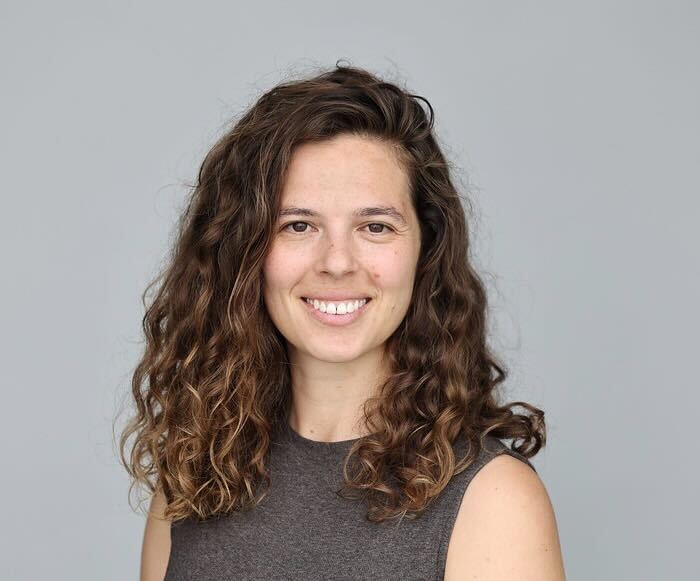
This letter appears in HealthBegins’ August 2026 newsletter.
Dear friends,
During National Health Center Week last week, I thought about Tom, one of my clients when I was a care navigator at a federally-qualified health center in Saint Paul. He was sixty but looked eighty, and the smells of cigarette smoke and alcohol seeped from his skin. He was irritable and volatile enough that — I’ll admit it — he scared me a little. Every so often he’d let out a laugh, and I’d relax.
Tom was a Vietnam veteran living on Social Security, with VA benefits that didn’t cover enough. Together, we started on his health insurance application. Every question made him more defensive and paranoid about where the information was going. When I asked for his address, he started yelling and moving frantically. He said he didn’t want the government coming to his house. He gave me a P.O. box number.
When I told him that he qualified for Medicaid, something immediately softened. I knew that feeling — like a switch turning on, and suddenly there are possibilities.
Then he talked. He had lost his home and was sleeping in his car, and had nearly gotten frostbite more than once. He couldn’t eat because of missing and rotting teeth. He’d stopped taking his medications because they made him sick on an empty stomach. He drank and smoked to feel less lonely and curb the hunger.
I did some research, made a few phone calls, and found a shelter that could take him for thirty days, a grant-based dental program, and a VA caseworker who could help him fully leverage the benefits he already had.
He left with tears in his eyes, apologizing for how he’d acted.
Tom is one story out of the 800-some people I helped get health insurance and connect to resources. I saw people cry after getting covered for the first time, not realizing until that moment the weight of the fear they’d been carrying. Their experiences are what I keep seeing when I read about Medicaid eligibility changes and cuts. Not statistics. Tom, in that chair, deciding whether to trust me with his address, with his story.
Community health centers are the open door to health care for more than 50 million people in the U.S. each year. That means they are among the first places to see the impact of the $900 billion in planned Medicaid cuts and 11-million-person enrollment decline that have already begun. This also means health centers should be a key place where we concentrate our response — not because they need rescuing, but because they’ve been the ones improvising the answer this whole time.
I’ve spent the years since I met Tom building the things I wish I’d had that afternoon. At HealthBegins, we’re expanding Community Health Detailing, a methodology for improving referrals and enrollment in evidence-based social-needs programs via targeted relationship building and messaging. We’re also proud to have launched HealthBegins Academy, including the course Billing Medicare for Social Care, which maps how to use Medicare billing codes to support critical care navigation work.
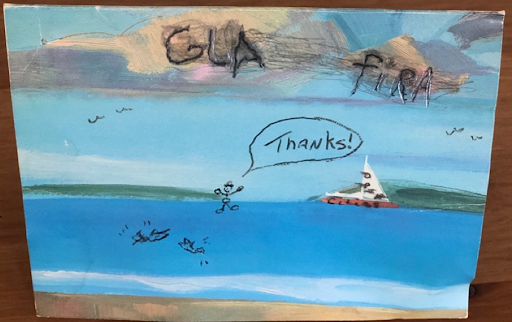
About a month after my meeting with Tom, I got a thank-you card from him. I checked in with his care team. His weight was normalizing and his labs were better. He was still in the shelter but on a waiting list for a subsidized apartment. He’d gotten dentures so he could chew hard food. He’d found a job-skills training program and was excited about improving his computer skills. They also mentioned that he seemed calmer. Less angry.
This year’s Health Center Week theme is “Building Innovative Care Where It Matters Most.” And I think it’s so apt — the most innovation I ever saw in one place was what health center employees and social care providers did every day to meet the needs of community members.
Let’s meet their resolve with tools, solidarity, and support to make health a more accessible reality for all communities. Thank you to everyone working in a health center right now. We see and value you.
Best,
Glasha (Glafira) Marcon
