


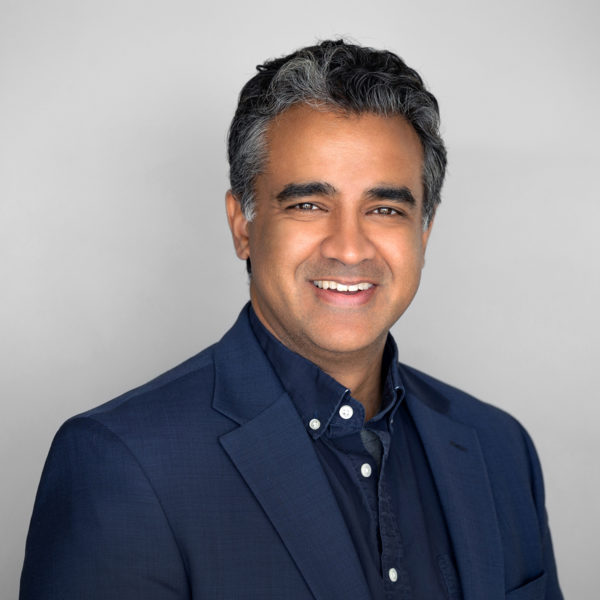
This letter appears in HealthBegins’ September 2026 newsletter.
Dear friends,
In 2008, I approached the microphone at a major health conference to make a suggestion to the national leaders on stage. We should situate public health and healthcare institutions as pro-democracy civic institutions, I said. And a ready opportunity is to ensure that all these institutions provide and promote access to nonpartisan voter registration, as the DMV does. There’s nothing more intrinsically democratic about the DMV than a doctor’s office or health department.
Several people guffawed at this suggestion as an unfunded mandate. Others agreed but said they weren’t ready to commit. One person said what I guess many were thinking: “That’s not our responsibility.”
In 2026—as we see the erosion of democratic norms and principles directly linked to the erosion of health in real time—let me respectfully say again what I said then, only now with even more experience and evidence: I disagree.
For many months, health professionals and leaders have been struggling to respond to material threats to patients, communities, and the institutions that serve them. Deep cuts to Medicaid and SNAP are undercutting the health of already vulnerable families. Aggressive immigration enforcement against people with no criminal record is deterring patients from accessing essential care. Government disinvestment and disinformation are fueling active outbreaks of preventable disease.
This election season is a reminder that there is a broader shared threat at work. All of these health threats are made possible by the degradation of democracy—the capture of government policies and practices by small, powerful groups of antidemocratic forces that are undermining the rule of law and democratic institutions. The annual Global State of Democracy report this year found that the U.S. has reached its lowest level in the report’s 50-year history, with declines in almost half its measures of healthy democracy.
Health leaders may have been reluctant in the past to see it this way, but now the reality cannot be ignored: protecting democracy is core to the health professions’ responsibility to protect health. After all, if we agree that protecting health, including health care, is a government duty, then isn’t helping to protect democracy a medical one?
The evidence for the connection between health and democracy is clear: research spanning 170 countries, published in The Lancet, finds that free and fair elections are independently associated with reduced adult mortality from cardiovascular disease and other non-communicable diseases. Cross-national research finds that adherence to the rule of law predicts infant mortality, maternal mortality, and life expectancy independent of national income. And Healthy People 2030 formally recognizes voter and civic participation as a social determinant of health. The health of democracy and the health of communities are inseparable.
This election season (and always), we must remember that democracy is essential, not incidental, to health—and helping to protect it is part of health care’s mission. Two pillars of our democracy in the U.S.—elections and the census—are now under threat. Before and after Election Day, it’s time for all of us in health care, from C-suite leaders to frontline caregivers across health professions, to leverage our trusted social status and our collective voice to help safeguard them.
HealthBegins has developed a collaborative action framework to help health professionals and leaders join together to protect the health of vulnerable patients and vital institutions in the face of shared threats like militarized immigration enforcement and Medicaid and SNAP cuts. The same framework, already in use by health coalitions in Arizona, Texas, and California, also provides a model for how we can help protect democracy. For example, here are two of the six nonpartisan actions from our framework that health professionals can take to protect current threats to democracy:
- One, help safeguard free and fair elections. Growing concerns about potential federal interference in elections include the increased presence of militarized federal agents and/or local or state law enforcement cooperating with federal agents at polling sites. Whether you have 15 minutes or a few hours to give, you can help protect the integrity, accessibility, and legitimacy of elections—including opposing voter suppression, supporting secure election administration, and countering election subversion. Start by downloading and sharing the nonpartisan guide Community Resilience in the 2026 Elections from our partners at Protect Democracy. Then, allow your health center, clinic, hospital, or health department to be used for voters to gather before heading to the polls, or join or host an event to accompany them. Resources from our friends at Civic Health Alliance and Vot-ER demonstrate that health settings are trusted, nonpartisan venues for voter registration and civic participation.
- Two, help ensure a complete and accurate census and protect equitable data. The U.S. Department of Commerce and the Census Bureau proposed a new rule that would make significant changes to how the 2030 Decennial Census counts people, including the unprecedented elimination of questions on race and ethnicity. Census undercounting has been shown to directly reduce communities’ access to federal resources, including Medicaid funding. The median state loses approximately $4,000 in federal funding per missed person—and the 2020 undercount cost Black communities an estimated $8 billion while distorting congressional apportionment. These latest proposed changes would lead to more undercounting, reduce communities’ access to federal resources and political representation, and make it harder to understand and address racial health disparities. You and your organization can take action by signing a national letter, organized by the National Council of Nonprofits, or submitting public comments opposing the proposed changes to the Census by October 13.
In parallel, I invite you to increase your impact through these steps:
- Join our live workshop, “The new healthcare leader: Navigating power and policy to take collective action,” preceding the Camden Coalition’s Putting Care at the Center conference in Oakland on October 13.
- Join the SOS for Health national day of action on September 24 to stand with fellow health and public health workers and researchers defending science-based policy.
- Sign up to learn more and engage with a national learning action network for health and democracy, launched in partnership with Protect Democracy. This collaborative work to protect the health of communities and institutions has already kicked off in Arizona, Texas and California, with more states to come.
As we march toward November 3 and beyond, we at HealthBegins will continue to share resources and actions to help all of us who bridge the fields of health care, public health, and the social sector step into our rightful roles to protect health justice by protecting democracy.
Best,
Rishi
