


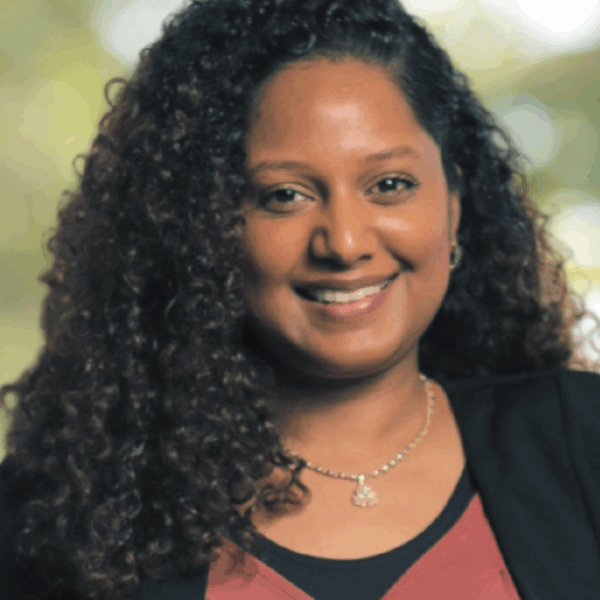
This letter appears in HealthBegins’ October 2026 newsletter.
Dear friends,
When does your definition of leadership change?
For healthcare leaders who gathered in Oakland last week, the answer was now. Not when the policy environment settles or when someone else steps up. Now, because when democracy erodes, so does health.
As part of the Camden Coalition’s Putting Care at the Center pre-conference sessions, Sadena Thevarajah and I led courageous leaders through a workshop called The New Healthcare Leader: Navigating Power and Policy to Take Collective Action. Participants came from eight different states across multiple sectors and a wide range of roles, all facing moral injury in the midst of shifting Medicaid redetermination requirements, SNAP cuts, censorship, and threats to care for immigrant communities. They came to change how they see themselves, from leaders who respond to this moment to catalysts who shape it.
In that meeting space, here is what I heard about what being a new healthcare leader means:
- Leadership means being willing to face opposition, even if you stand alone. Someone has to go first, and you can be that someone.
- Bravery lives in speaking up, even when you fear the unknown. You don’t need certainty, you need to be willing to say what is true.
- Community voice must be amplified because the people most affected by rapidly shifting policies should be in the room where decisions get made.
- It’s time to transform how we see ourselves as leaders. We each have a role in this moment to protect health and democracy.
These ideas are built into the HealthBegins Collaborative Action Framework, which outlines skills and strategies to move from moral injury to agency. In this workshop, we focused on one skill, ethical and moral clarity: naming your values, assessing moral injury honestly, and making courageous choices even when the cost is real. We paired that skill with one strategy, risk-sharing. When risk is shared, new possibilities open for collaborative action to address shared challenges and opportunities.
Participants learned about and named risk-sharing strategies that were relevant to their own institutions, such as vulnerability metrics, risk mapping, joint contingency plans with partner organizations, and collective messaging and narrative building. In doing so, participants walked in uncertain about next steps and walked out with more confidence to go back to their institutions to start critical conversations that lead to action.
If you’re standing at a crossroads too, here is the best takeaway: You have a role to play in protecting health and democracy, whether the impact is big or small. It is okay not to know what comes next, but you have to start somewhere. I urge you to start by using your voice.
No matter your level of formal leadership, you can educate others and take a stand. You can speak up for the people who are not in the room and ask critical questions, even if you don’t have all the answers. You can name the problems directly and avoid self-censorship. You can also offer a first-step solution at your next staff meeting that could potentially result in significant change. Then, take it a step further. Before the November 3rd midterms, you can take immediate action to protect health and democracy by safeguarding free and fair elections and accurate census counts.
Know that this work will matter beyond this election cycle, and we can start building now to sustain it. Join us and sign up to learn more and connect with other leaders and institutions in communities across the U.S. through the HealthBegins Learning Action Network.
What is your commitment for your next step? Remember not to wait for a special moment, you are a catalyst for change!
Best,
Natashia
